What Types of Toothbrushes Do General Dentists Recommend for At-Home Use?
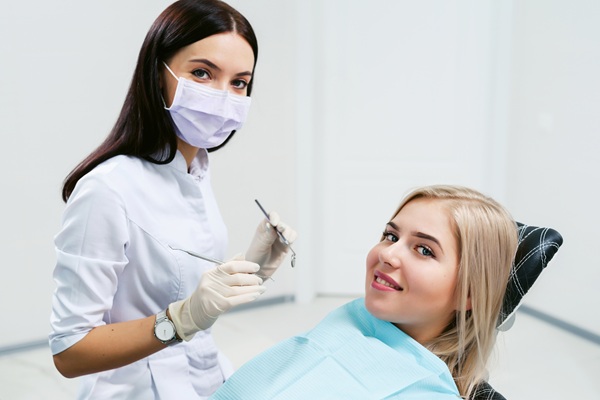
A general dentist often recommends a toothbrush that matches a patient’s age, dexterity, and oral health needs. At-home brushing matters because it removes plaque, a sticky film of bacteria that collects on teeth and along the gumline. The right brush can make daily care easier, more consistent, and more effective for both children and adults.
Manual vs. powered brushes
Many patients ask whether a manual toothbrush or a powered toothbrush works better. In many cases, either type can clean teeth well when a person uses proper technique and brushes for 2 minutes, twice a day. A general dentist usually looks less at trends and more at whether the brush helps the patient reach all tooth surfaces without brushing too hard.
A manual toothbrush gives patients control and comes in many sizes and bristle patterns. It can work well for people who brush carefully and keep a steady routine. A powered toothbrush can help patients who rush, miss back teeth, or have limited hand movement. Many powered models include timers, pressure alerts, or small rotating heads that help guide brushing habits at home.
Why soft bristles matter
A general dentist usually recommends soft bristles for most patients. Soft bristles can remove plaque while remaining gentle on enamel, the hard outer layer of the tooth, and gum tissue. Hard bristles may seem stronger, but they can scrub too aggressively, leading to gum irritation or surface wear over time.
Brush head size matters, too. A smaller head often helps patients reach tight spaces, back molars, and areas around crowns, fillings, or braces. The handle should feel comfortable and stable in the hand so that the brush can move along the gumline with control rather than force.
Common toothbrush features patients may discuss with a general dentist include:
- Soft bristles
- A small or compact head
- A handle with a steady grip
- A built-in timer on powered models
- Pressure sensors for heavy brushers
These features support daily brushing, but technique still plays a central role in effectively cleaning teeth.
Choosing for specific needs
Some patients need more than a standard brush. Children often benefit from a smaller toothbrush that fits the mouth comfortably and encourages regular use. Older adults or patients with arthritis may find a powered toothbrush easier to hold and move. Patients with braces, bridges, or dental implants may need a brush shape that reaches around hardware and cleans along the gumline more thoroughly.
A general dentist may also recommend replacing a toothbrush or brush head every three to four months, or sooner if the bristles look bent. Worn bristles do not clean as well and may make brushing less comfortable. Patients should also rinse the brush after use and let it air dry upright when possible.
Building a better routine
The toothbrush itself matters, but daily habits shape results at home. Patients should brush gently in small circles, angle the bristles toward the gumline, and clean every surface of every tooth. A toothbrush works even better when patients also floss once a day and schedule regular dental visits. When a patient chooses a brush that feels comfortable and easy to use, home care often becomes more consistent and more effective. For more information or to schedule an appointment, call our office.
To schedule a consultation, please request an appointment on our website at https://dumontfamilydental.com or call Dumont Family Dental at (201) 374-7202 to arrange an appointment at our Dumont office.
Check out what others are saying about our dental services on Yelp: General Dentist in Dumont, NJ.
Related Posts
Your general dentist can provide many treatments to maintain or improve oral health. Research reveals that good oral health equals good general health. Knowing how your dentist helps can encourage you to keep your appointments. Here are the ways your general dentist aids in keeping your oral health intact.Preventing any oral disorder is better than…
A general dentist is one of your first lines of defense against gum disease through preventive treatment. With biannual dental cleanings and professional treatments, a dentist can help you avoid tooth loss and invasive procedures. This professional dental care can give you a leg up in the fight against gum disease and help you maintain…
Regular visits to a general dentist are essential for maintaining good oral and overall health. However, many people skip their routine appointments due to scheduling issues or fear of dentists. While these visits may seem inconvenient or unnecessary, they can prevent serious oral health issues down the road. If you are experiencing the following three…
Routine visits with a general dentist are among the most effective ways to maintain optimal oral health. The American Dental Association recommends visiting the dentist at least twice yearly or every six months. These appointments can reduce the risk of oral health issues and catch existing ones in their early stages, ensuring your smile stays…